
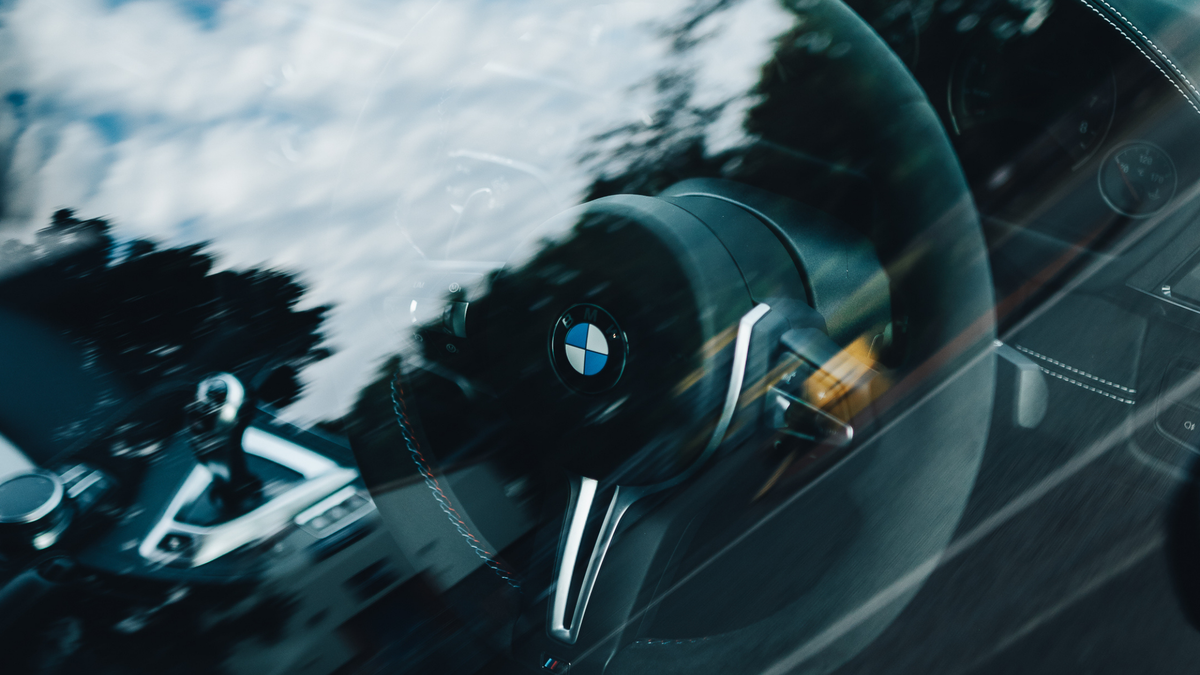
Clean glass can completely transform the appearance of a freshly detailed vehicle. Unfortunately, it can also be one of the most frustrating areas to get right. You clean the windscreen, step back, and everything looks perfect—until the sun comes out and suddenly the glass is covered in smears.
Streak-free glass isn't simply about using more cleaner. The condition of your towels, the temperature of the glass, the amount of product applied and even the order in which you clean the windows can all affect the final result.
With the right technique, achieving perfectly clear automotive glass becomes much easier.
Why Does Car Glass Become So Dirty?
Exterior glass is constantly exposed to rain, road spray, dust, traffic film and insects. The windscreen in particular collects contamination at speed, creating a film that ordinary water often struggles to remove.
Inside the vehicle, the problem is different. Fingerprints, dashboard dressings, skin oils and airborne residues gradually create a haze across the glass.
This interior film can become particularly noticeable during night driving when headlights and streetlights reflect across the windscreen.
Start With Cool Glass
One of the easiest ways to create streaks is cleaning a windscreen that's hot from direct sunlight.
The cleaner begins evaporating before you've had enough time to spread and remove it evenly, leaving product residue behind.
Whenever possible, work in the shade or allow the vehicle to cool before beginning.
Use Less Product Than You Think
More glass cleaner doesn't necessarily mean cleaner glass.
Oversaturating the surface creates excessive residue that then needs to be removed with the towel. This often results in smearing rather than improving cleaning ability.
Apply a light, controlled amount and work one manageable section at a time.
Use Separate Towels for Cleaning and Finishing
A simple two-towel technique can dramatically improve results.
Use the first microfibre to spread the cleaner and remove contamination. Follow immediately with a second clean, dry towel to buff the remaining residue away.
This prevents the final finishing towel from becoming saturated with the contamination removed during the first stage.
You can browse the wider selection of microfibre towels and cloths at My Car Cleaning to build a dedicated set for glass, paint, interiors and wheels.
Clean Interior and Exterior Glass in Different Directions
Here's a simple detailing trick that makes identifying streaks much easier.
Clean the outside of the glass using horizontal movements and the inside using vertical movements.
If you spot a streak afterwards, its direction immediately tells you which side of the glass needs additional attention.
Don't Forget the Top Edge of Side Windows
Side windows often hide a dirty strip along their upper edge because this section normally sits inside the window seal.
Lower the window slightly, clean the exposed edge, then raise it again and complete the rest of the glass.
This small detail can make a surprisingly noticeable difference.
Clean Your Wiper Blades Too
There's little point achieving perfectly clean glass if dirty wiper blades immediately drag contamination back across the windscreen.
Lift the blades carefully and wipe the rubber edges with an appropriate cleaner and cloth until they stop transferring visible dirt.
If the blades continue smearing after cleaning, they may simply need replacing.
Why Hydrophobic Glass Protection Can Help
Glass protection can make wet-weather driving considerably easier by creating a water-repellent surface.
Instead of rain sitting flat across the windscreen, droplets form more readily and can move away as airflow increases.
This can also make exterior glass easier to maintain because contamination has a harder time bonding strongly to the treated surface.
What About Bugs on the Windscreen?
During spring and summer, insect contamination can quickly build up across windscreens and front glass.
Rather than aggressively scrubbing dried insect remains, soften them first.
GYEON Q²M Bug & Grime is designed to help loosen stubborn insect residue and road contamination before your normal washing process.
Reducing the need for aggressive mechanical cleaning is always preferable on both glass and surrounding painted surfaces.
Final Thoughts
Perfectly clean automotive glass comes down to preparation and technique rather than excessive amounts of product.
Work on cool surfaces, use clean dedicated microfibres, apply glass cleaner sparingly and always finish with a dry towel.
Taking a few additional minutes to clean window edges, mirrors and wiper blades will give the entire vehicle a noticeably sharper finish while improving visibility on the road.
Browse the wider range of car cleaning and detailing products at My Car Cleaning to build a complete exterior and interior maintenance kit.